

Before Ska, Before Reggae
Kingston’s Golden Age most people don’t know about (including Jamaicans)

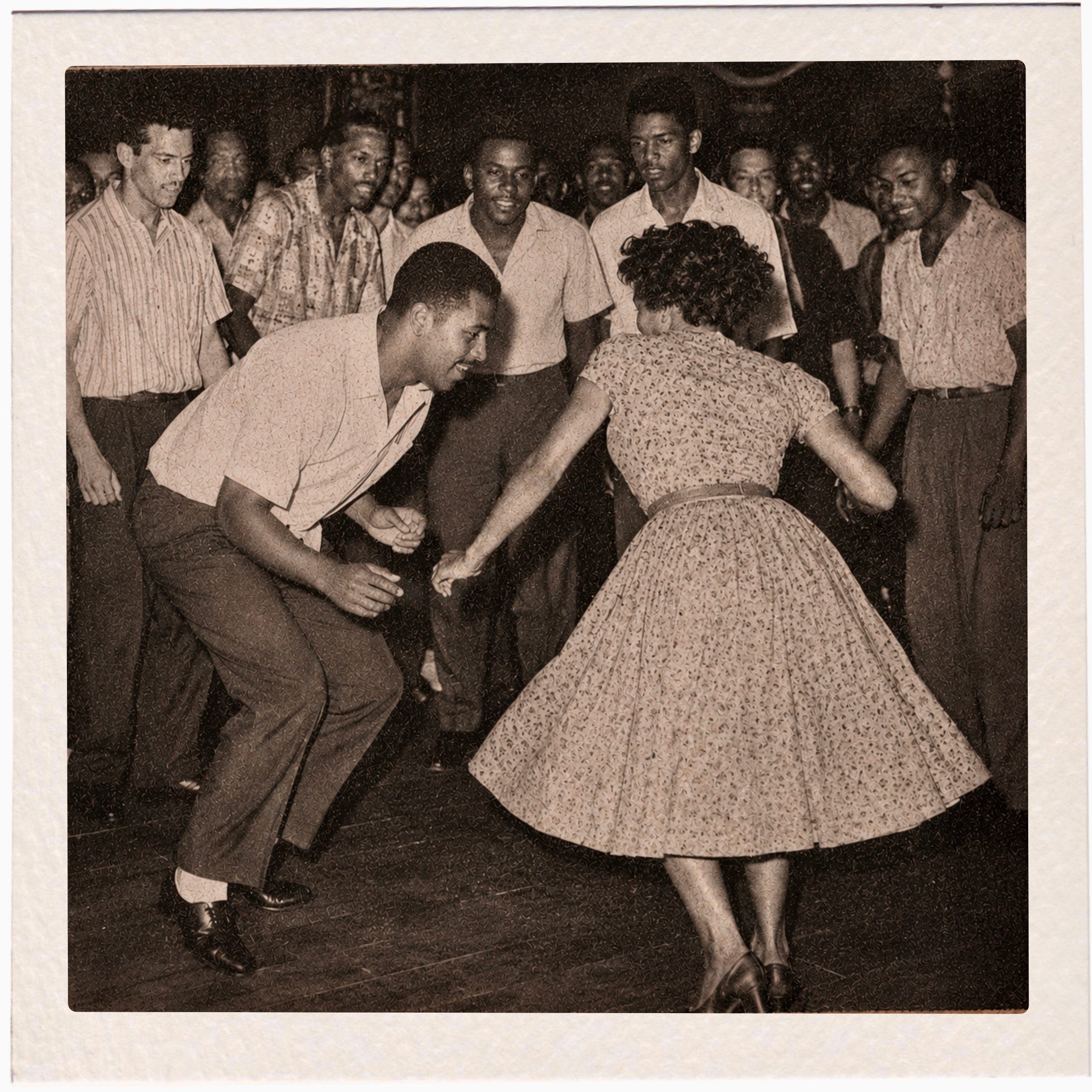
Welcome back to Up From Mountains! Researching for Chapter 5 of Up From Mountains sent me down such a glorious rabbit hole that I decided to share some of what I found before posting the next scene. I discovered a Kingston of the 1940s and 1950s that I had an inkling about but that turned out to be far richer than I imagined, a city that laid the foundation for ska, rocksteady, reggae, dub, and dancehall. They didn't just come out of nowhere.
Where Kingston Played
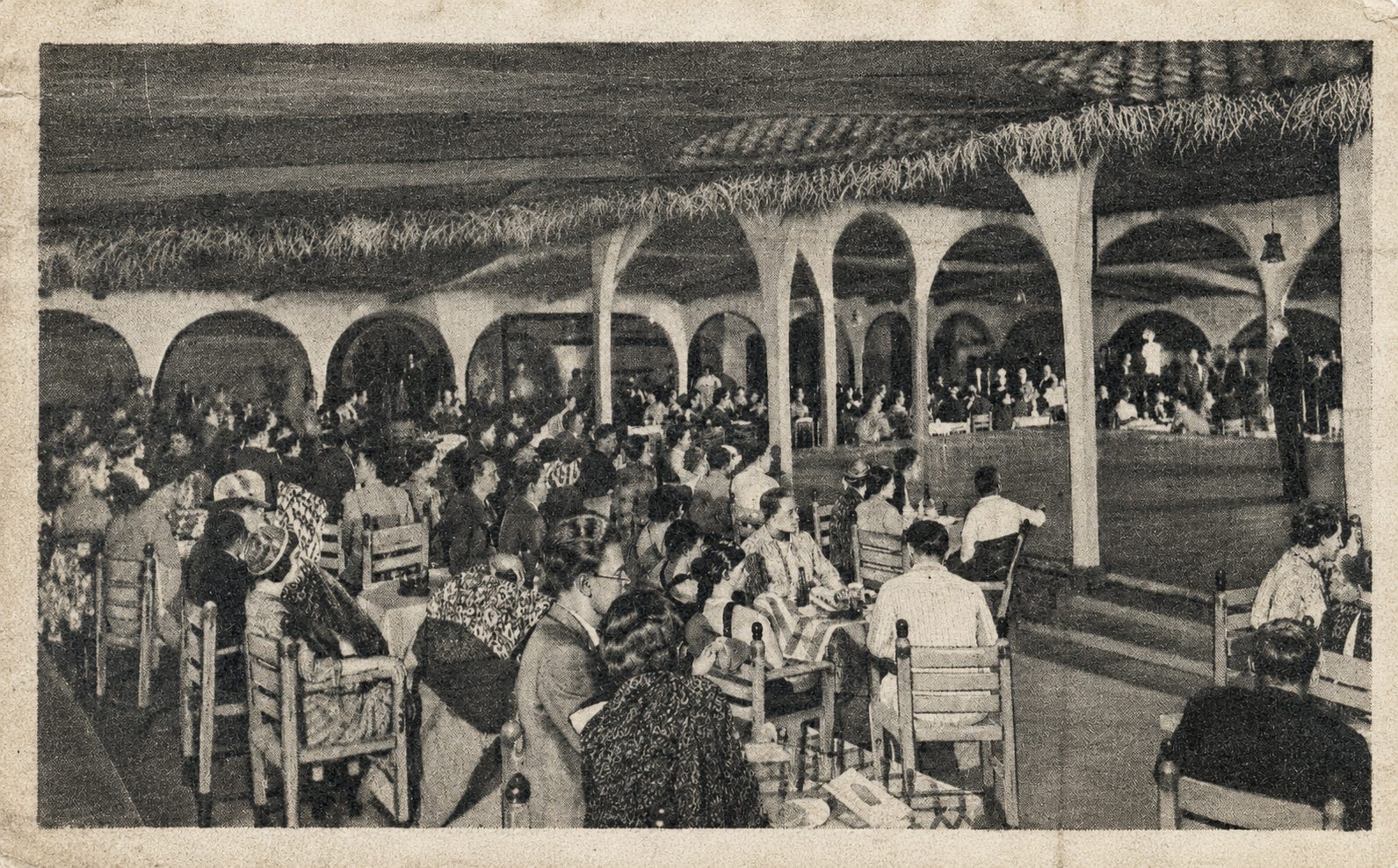
During this period, Jamaican hotels in general, and Kingston hotels in particular, helped establish the early music scene by demanding polished performances for tourists and uptown patrons. Myrtle Bank Hotel, owned and operated by Abe Issa at that time, was one of the city’s main upscale venues featuring big band and jazz orchestras, Latin dance music, and occasionally mento and calypso, all in a polished, hotel-friendly format. My mother, Dorothy Mahfood, née Calder, used to work at Myrtle Bank for a local tour company. She said that she and my father, Ken Mahfood, went to a couple of dances there, but they found it to be very expensive, so never returned. Up From Mountains will have a couple of scenes set at Myrtle Bank with Abe Issa making a cameo appearance.
Other upscale venues that attracted middle and upper income patrons and tourists were polished clubs like the Glass Bucket, the Silver Slipper, and the Colony Club. The atmosphere and music were similar to Myrtle Bank, but from time to time these clubs hosted major international acts like Sammy Davis Jr., Sarah Vaughan, and Cuban mambo king Pérez Prado.
The Glass Bucket holds a special place for me, as that’s where my parents first met. In a future chapter of Up From Mountains, Harry, the character based on my father, and Cailin, based on my mother, will meet at the Glass Bucket. That will be a fun chapter to write!
There were other clubs throughout uptown and East Kingston, in the same circuit as the Glass Bucket, that appealed to middle-income patrons. Upper middle-income patrons came to them from time to time, but tourists rarely ventured in. The music was similar to the upscale clubs, but these venues also embraced more experimental sounds, particularly bebop-style jazz that incorporated Afro-Caribbean beats.
In Chapter 5 here on Substack, I have Harry and Lilla at the Colony Club. After publishing it a week ago, something about it nagged at me. A bit more research told me that the Colony Club was on a similar class level as the Glass Bucket. That didn’t work for me. Lilla needed to take Harry somewhere she knew well but he didn’t, where she’d be in her comfort zone and he wouldn’t. So I changed the setting to Club Adastra in East Kingston, which is much more relaxed with local middle-income Jamaicans. Harry flows with it easily. It allows them to figuratively loosen their ties, which Lilla literally does to Harry, opening them up to be themselves with one another.
A few miles downtown, though, a very different Kingston was finding its own way to dance.
Further downtown and in West Kingston, the nightlife moved to a completely different beat. Working-class Kingstonians danced in small halls like Forrester's Hall and in open-air "yards," moving to small live bands or street-level sound systems. The sound system itself, pioneered by Hedley Jones in the late 1940s, was a Kingston invention that would eventually change music culture around the world. Most working-class Kingstonians couldn’t afford records or even a radio, so this was their free alternative. They danced to American R&B, jump blues, jazz, mento, and calypso.
These informal venues became the incubators of a sound-system culture that would saturate Kingston’s nightlife in the 1960s and 1970s and eventually spread around the globe. As a teenager in the early 1970s, I remember one of these sound systems in uptown Kingston, at the junction of Shortwood Road and Upper Waterloo Road, or somewhere near there. The music was for everyone to enjoy, even if uptowners didn’t appreciate its significance. By the 1970s, instead of R&B and jump blues, it was roots reggae and dub blasting out of the stacked speakers!
The People Behind the Music
What made all of those venues come alive, from the Myrtle Bank ballroom to the yards of West Kingston, was an extraordinary generation of Jamaican musicians. In the 1940s and 1950s, Kingston was overflowing with top-notch musicians drawn from Alpha Boys’ School, other school bands, military bands, churches, and self-taught individuals.
Alpha Boys’ School, in particular, is noteworthy for the quantity and quality of musicians it produced: Don Drummond, Joe Harriott, Tommy McCook, and Dizzy Reece, among many others. Several of its graduates went on to form the ska-famous Skatalites.
The musicians I chose for Chapter 5 speak to the range of talent Kingston produced. Baba Motta was professionally trained and led his own orchestra. Ernest Ranglin was self-taught and went on to profoundly influence the development of ska and reggae in the 1960s and 1970s. And Don Drummond, whose name kept appearing everywhere I looked, influenced not just Jamaican jazz but Jamaican music as a whole.
Drummond used to date a relative of mine, Anita “Margarita” Mahfood, who performed in many Kingston nightclubs, including the Glass Bucket. Theirs was a tragic relationship that I may explore in a short story or another novel one day.
The other two musicians in Chapter 5, Stick Man and Bigga, while fictional, feel authentic to that period in Kingston and will show up in another chapter of Up From Mountains.
The music that influenced these Kingston musicians was varied. Besides the precision many of them learned in marching bands, they played in large American-style big band swing ensembles as well as smaller jazz, R&B, and bebop quartets and quintets. They absorbed American tunes through imported records, sheet music, and local radio.
On a clear night, those who could afford radios picked up AM signals from Miami to New Orleans to Memphis. And what came through those speakers influenced both Jamaican musicians and the public profoundly.
Latin music, particularly that of Pérez Prado, “King of Mambo,” also reached Jamaican shores, as did the Afro-Cuban jazz innovations of Dizzy Gillespie. The Glass Bucket, the Silver Slipper, and the Myrtle Bank Hotel ballroom all promoted Mambo Nights, weaving Latin music into their regular programming.
Mento, a Jamaican homegrown genre, grew out of the musical traditions of enslaved Africans brought to Jamaica. African rhythms blended over time with British folk and dance styles, and perhaps some Spanish and Caribbean influences. Though rooted in rural Jamaica, mento found its way into hotels, where it was marketed to tourists, and into the yards and dance halls of Downtown and West Kingston, where it mixed freely with R&B and jump blues.
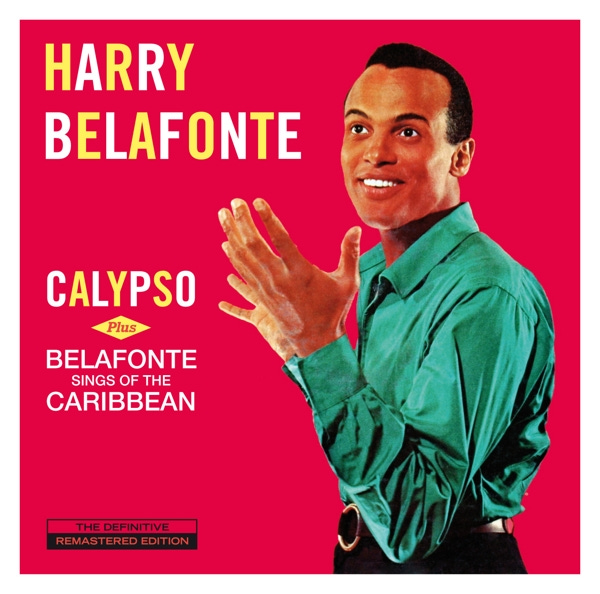
Both local Jamaicans and tourists also enjoyed Trinidadian calypso. Unfortunately, because of North American tourist marketing, much Caribbean music, including mento, was simply labeled calypso. Even Harry Belafonte titled his mento album, Calypso, further confusing Trinidadian calypso music with Jamaican mento. Although some have debated whether mento is a subgenre of calypso, most musicologists consider them separate genres. Both, however, are rooted in the African rhythms brought to the Caribbean by enslaved Africans.
It was a combination of American R&B, particularly jump blues, mento, jazz, and perhaps a touch of calypso that eventually sparked the ska scene in 1959.
Even though I’ve only touched lightly on what I’ve learned over the past few weeks, it should be evident that Kingston was a vibrant, swinging capital in the 1940s and 1950s. It should be no surprise, then, that it punched so far above its weight in the 1960s and 1970s, giving the world ska, rocksteady, reggae, dub, and dancehall—genres that continue to shape popular music around the world.
I find this kind of in-depth research essential for writing Up From Mountains (or any historical fiction) in order to paint an authentic picture of Kingston’s Golden Age. As with any writer worth their salt, I have to know far more about the setting and characters than I will ever include in the story. It’s time-consuming, but I wouldn’t have it any other way!
Next week, I should be posting the first scene in Chapter 6. That’s if I don’t get carried down another rabbit hole!
In the meantime, if you haven’t begun reading Up From Mountains, start here:
If you enjoyed this post, please hit the ♡ button and consider subscribing to get my future posts delivered to your inbox.
Sources:
“Alpha Roll Call: 5 Bands and Their Influence on Jamaican Music” – Alpha Boys School Radio – https://www.alphaboysschoolradio.com/post/alpha-5-bands
“American Rhythm and Blues Influence on Early Jamaican Musical …” – UVM essay (The University of Vermont) – https://www.uvm.edu/~debate/dreadlibrary/fredericks.html
“Beat Street a game changer: Exploring Kingston as a global Musical …” – The Gleaner – https://past.jamaica-gleaner.com/article/entertainment/20221127/beat-street-game-changer
“Dance hall (Jamaican)” – Wikipedia – https://en.wikipedia.org/wiki/Dance_hall_(Jamaican)
“How Jamaica’s 1950s DJs Gave Rise to Their Counterparts on the …” – Vanity Fair – https://www.vanityfair.com/style/story/excerpt-jamaica-djs-gave-rise-to-disco-hip-hop
“Mento v calypso” – Jamaica Observer – https://www.jamaicaobserver.com/2023/01/11/mento-v-calypso/
“Sound of a City: roots and revolution in Kingston, Jamaica” – Far Out Magazine – https://faroutmagazine.co.uk/sound-of-a-city-kingston-jamaica/
“The History and Impact of Jamaican Mento Music” – Reggae Genealogy – https://reggaegenealogy.org/2024/01/11/the-history-and-impact-of-jamaican-mento-music/
“The History of Jamaican Music 1959–1973” – Jammin’ Reggae Archives – https://niceup.com/history/ja_music_59-73.html
“The Complete History Of Ska Music: From Jamaica To New England …” – YouTube –
Loved this. Memories of parents tales of Glass Bucket and others. And my own of Myrtle Bank pool overlooking the Harbour - my Aunt would take us kids to swim there on occasion. And I remember the fire. 🔥
Dale, you never ceases to amaze me with your thoroughness. Integrating a musical backstory like that is next level. Most writers would just mention the music and move on, but digging into the cultural and historical development behind it adds a whole different layer.